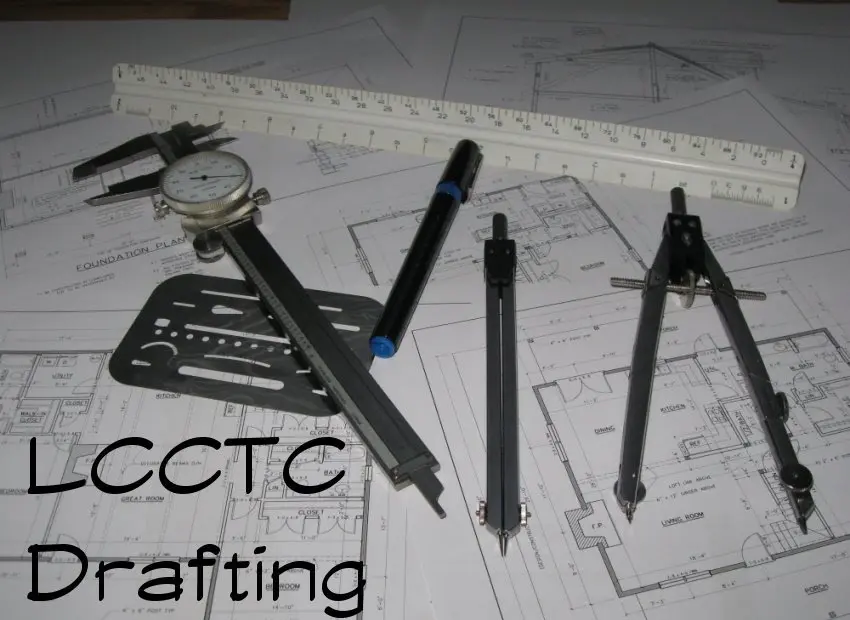
- Architectural drafters draw architectural and structural features of buildings for construction projects. These workers may specialize in a type of building, such as residential or commercial. They may also specialize by the materials used, such as steel, wood, or reinforced concrete.
- Civil drafters prepare topographical maps used in major construction or civil engineering projects, such as highways, bridges, and flood-control projects.
- Electrical drafters prepare wiring diagrams that other construction workers use to install and repair electrical equipment and wiring in power plants, electrical distribution systems, and residential and commercial buildings.
- Electronics drafters produce wiring diagrams, assembly diagrams for circuit boards, and layout drawings used in manufacturing and in installing and repairing electronic devices and components.
- Mechanical drafters prepare layouts that show the details for a wide variety of machinery and mechanical tools and devices, such as medical equipment. These layouts indicate dimensions, fastening methods, and other requirements needed for assembly. Workers sometimes create production molds.
- Architect
- Civil Engineer
- Electrical Engineer
- Industrial Designer
- Landscape Architect
- Mechanical Engineer
- Surveyor
- Technician (Civil, Mechanical, Electro-mechanical, Surveying)
What is Drafting?
Drafting takes the designs of engineers and architect and converts them into technical drawings, plans, and 3-D models that are used to design everything from the smallest microchips to the largest skyscrapers.
What Will I Study?
In general, students will learn drafting fundamentals along with various CADD software packages. Students will learn how 3-D printers and CNC mills are used to develop models and prototypes of designs created on CADD software. The drafting program at the Lee County Career and Technical Center consists of the following classes:
Why Choose Drafting?
Drafting can provide students with an entry-level job upon graduation. The drafting profession is diverse, and students can pursue their area of interest by continuing their education. Many community colleges offer an associate (2-year) degree in a drafting or related program. Students can also pursue a bachelor (4-year) degree in architecture, engineering or related program.
In addition, students have the opportunity to earn college credit through Mountain Empire Community College and develop skills in using various CADD software used in many architecture, engineering, or related programs.
What Drafting Jobs are Available?
What are Some Drafting Related Careers?
Click here for Drafting Course Outline
Reference:
Bureau of Labor Statistics, U.S. Department of Labor, Occupational Outlook Handbook, 2026 Edition, Drafters, on the Internet at https://www.bls.gov/ooh/architecture-and-engineering/drafters.htm (visited September 10, 2026).